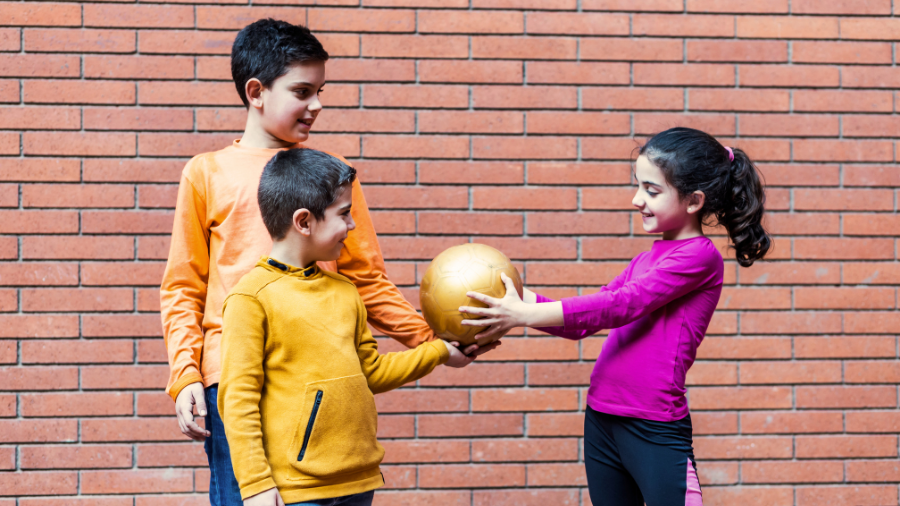
Everyone has an item that belongs to them, such as a favorite toy, a book, or a tablet that holds special meaning. Teaching students the social skills to show respect for other people’s belongings will aid them in making friendships with peers, building mutual respect, and helping others feel that their special items are safe.
6 Ways to Show Respect for Others’ Belongings
In this social skills lesson, use the PowerPoint presentation and accompanying resources to teach your students 6 key ways to show respect for others’ belongings.
- Ask Permission – don’t simply take what you want; ask your classmate or friend if you can use their pencil or have a turn playing with their new toy first. This is a sign of respect for them and their belongings.
- Be Careful – when you’re using someone else’s things, it’s important to be careful! You wouldn’t want something to hand your new toy back to you broken, would you? Take care when borrowing things from other people.
- Give items back – if you asked to borrow something, be sure to give it back to the person and in the same condition in which it was given. Perhaps you asked your friend to lend you a book they read – try not to tear or stain the pages before giving it back to them. Be mindful of how long you keep their item before giving it back.
- Say thank you – don’t forget to show appreciation to your friend or classmate for letting you use / borrow their belonging! Appreciation goes a long way to building respectful relationships. Manners are an important component of social skills and shouldn’t be forgotten when asking to borrow or take a turn with someone else’s toy or possession.
- Respect their privacy – don’t look through someone else’s personal items without their permission. Respecting boundaries and privacy is another sign of a trusting, respectful relationship and can help students build lasting friendships.
- Apologize – accidents happen, and sometimes we break things when we borrow them, or we tear a page of a book we were reading that belonged to a friend. The important thing is to own up to the mistake and apologize! Offering to help fix or repair the damage also goes a long way to showing you care.
Showing care and respect for the belongings of your peers and those around you shows maturity. Learning the social skills to respect your peers and own up to mistakes when they happen will help build a foundation for trusting relationships.
PowerPoint Presentations
I Can Respect Other People’s Things PowerPoint Presentation
I Can Respect Other People’s Things Facilitator’s Guide
Social Skills Lesson Resources
I Can Respect Other People’s Things Outline
I Can Respect Other People’s Things Parent Note
I Can Respect Other People’s Things Teacher Note
I Can Respect Other People’s Things Magnet Cards
I Can Respect Other People’s Things Homework
I Can Respect Other People’s Things Mini-Schedule
I Can Respect Other People’s Things Activity
This resource was authored by Watson Institute Special Education Consultant, Andee Morris, M.Ed.
If you have any questions or concerns about the Watson Institute’s use of this information, please contact us.