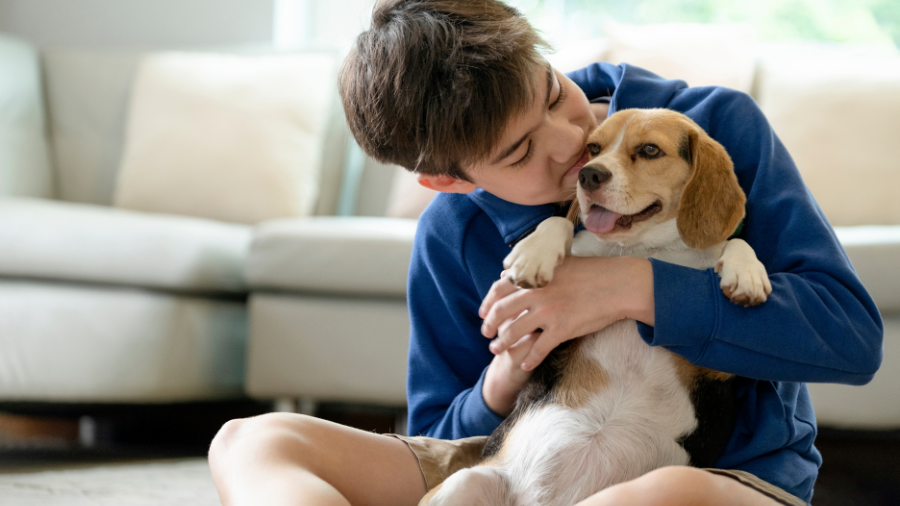
Treating others with kindness and respect is important since that’s the way we’d like to be treated in return. We should extend kindness to the people and animals we encounter on a daily basis because animals have feelings and emotions, just like us!
Teaching your students and/or children how to interact with animals in a respectful manner can help them build positive, trusting relationships with pets.
How to treat animals with respect
- Use a soft voice and gentle touch when you’re interacting with the pet. Animals respond well to praise, and many enjoy being pet with gentle hands.
- Feed your pet clean water and healthy food every day! Just like us, animals need to eat and drink to stay healthy.
- Never hurt or tease an animal – playing is okay, but taunting or hurting your pet can quickly turn into an unsafe situation in which you may end up getting hurt. When an animal is scared, they resort to the defenses they have available – biting or scratching – which can result in serious injury.
- Tell an adult immediately if you see an injured animal or notice that your pet is missing.
- Give animals space when they need it. Many animals are good at giving signs when they want to be left alone. They may growl, put their hackles up, pin their ears back against their head, shy away from being touched or hide, or they may bark loudly as a sign that they’d like to be left alone. It’s important to respect these signs. If you approach an animal that would rather be left alone, it may result in injury or harm.
- Think about a time when you wanted to be left alone – did someone try to enter your space anyway? How did that make you feel?
Animals can be some of the most loyal companions when they feel happy and safe! Just remember to treat them with the kindness and respect that you want to be treated with in return.
Bonus Tip: If you meet a stranger’s pet, it’s important to ask the owner first if it’s okay for you to approach and give their animal pets or scritches. Some pets are shy around strangers so be sure to ask first!
These special education resources for accepting change were authored by Watson Institute’s special education consultant, Andee Morris, M.Ed.
Social Skills PowerPoint Presentations
I Can Be Kind to Animals PowerPoint Presentation
I Can Be Kind to Animals Facilitator’s Guide
Social Skills Resource Materials
I Can Be Kind to Animals Homework
I Can Be Kind to Animals Mini Schedule
I Can Be Kind to Animals Magnet Cards
I Can Be Kind to Animals Parent Note
I Can Be Kind to Animals Teacher Note
I Can Be Kind to Animals Activity
I Can Be Kind to Animals Outline
If you have any questions or concerns about the Watson Institute’s use of this information, please contact us.