
Seeded with support from the Child Health Association of Sewickley, what started as an idea for a senior project blossomed into a full-blown student-owned and operated business. Meet “Artism”, the […]
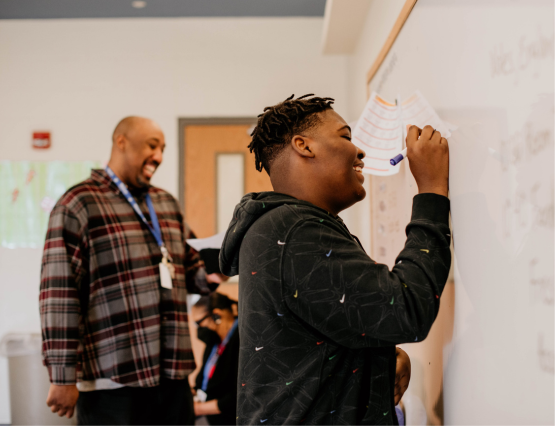
Friendship Academy Teacher Jobs
Watson is hiring full-time special education teachers at Friendship Academy! Earn a sign-on bonus, excellent benefits, and work in a supportive environment with peer mentorship and professional development opportunities. Learn more and apply today!
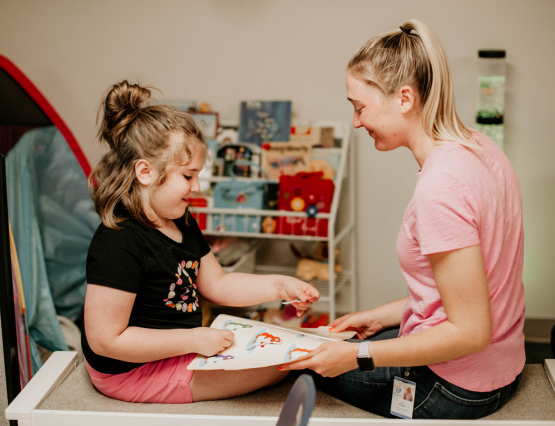
Special Education Jobs
Do you want to make a positive impact in the lives of children with disabilities? Watson offers full-time, part-time, contracted, and temporary jobs in special education and mental health services. Check out our current job openings and join the Watson team today!
Latest News
April 16th, 2024

Art & Autism – Meet “Artism”: a Student-Owned Business

March 27th, 2024
Three Reasons to Work at Watson this Summer

As the seasons move closer to spring and warmer weather approaches, you may find your mind shifting to thoughts of summer. You might also be thinking about your summer employment […]
January 9th, 2024
Preparing Students for Adulthood – Exploring Air Travel
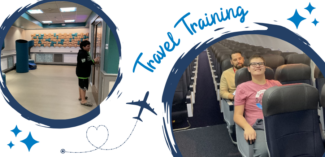
The Watson Institute’s Social Center for Academic Achievement (WISCA) program for autistic students incorporates transition services into the curriculum which aim to prepare students for adulthood. As part of this […]
Special Education Resources
Footstool Fit for Kids to Prevent Fatigue
When children sit in chairs with their feet dangling for lengthy periods of time, fatigue can set in and affect the whole body. This can lead to interfering behaviors and difficulty maintaining focus. Try the footstool fit strategy for kids to prevent fatigue and help with focus!
Visual Prompts to Help Students with Homework
Is your child always forgetting to bring home their homework, lunchbox, or other items? Visual prompts may help assist in developing independence in routine tasks such as reminders to bring home necessary items for school.