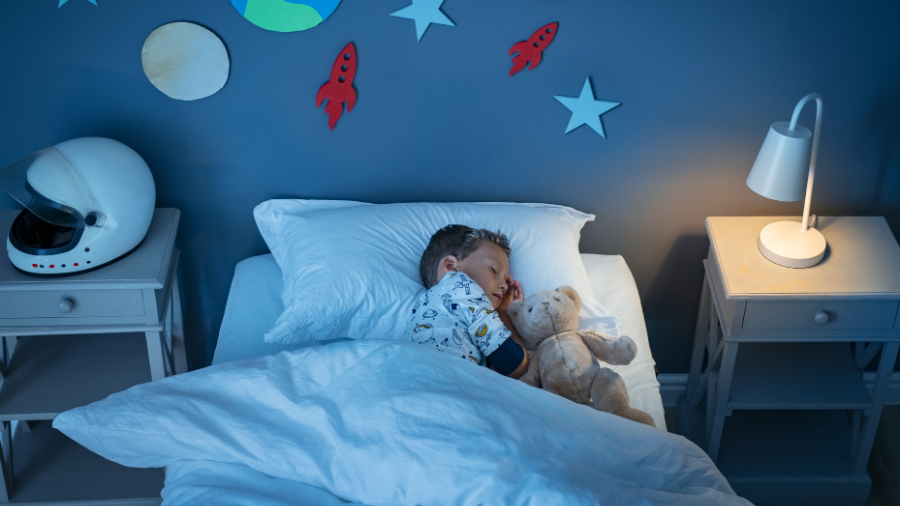
What are Sound Sleep Strategies?
Sound sleep strategies can be implemented easily if parents are willing to be consistent and persistent through a week or two of implementation.
Example:
My child typically fights going to bed, thinking of more and more activities to do to prevent bedtime from occurring. Once they are settled in bed, I have to stay until they fall asleep. They often wake during the night or gets up very early. I am exhausted; what can I do?
Establishing Sound Sleep Strategies for Children
Sleep disturbances are common in children with autism and may be related to biological, behavioral, and/or psychological factors. Some studies have estimated that between 50% and 80% of children with autism have trouble sleeping! We know that children need quality sleep to grow and thrive, and that when kids sleep better, so do parents! Routines, visual schedules, environmental adjustments, and calm persistence are strategies that can promote sound sleep that lasts through the night.
- Design your child’s sleep environment to promote calm and provide cues that it is time for sleep. Darkness, cooler temperatures, quiet or white noise, and comfort items can help your child fall and stay asleep.
- Developing a bedtime routine that is calming and enjoyable for your child can help to increase predictability at bedtime and promote relaxation and sleepiness. Incorporating preference and choice into this routine can help your child feel
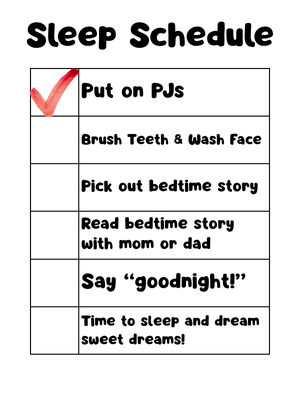
- Using a visual schedule can allow your child to see all of the steps in the bedtime routine and understand where they are in the process of getting ready to sleep, helping to ease the refrain of “One more story?” or “Another glass of water?”
- Ending the bedtime routine with a goodnight routine can help show your child it is time to sleep and promote comfort and calm.
- Once your child is in bed, standing outside the room for a few minutes will allow you to ensure that your child has settled into bed. If your child leaves the bedroom, gently return him/her to bed with a quiet, neutral statement such as, “It’s time for bed, I will see you in the morning.”
- If your child continues to leave the bed, gently return him/her to the room each time but with no further talking.
- Be consistent in your routine!
If problems persist despite consistent implementation of sound sleep strategies, follow-up with your child’s pediatrician and/or another health professional may be warranted.
Quick Facts
- Child’s Age: 3-10
- Planning Effort: Moderate
- Difficulty Level: Moderate
Process for a Good Sleep Routine
When deciding on your child’s bedtime, choose a time outside of the “forbidden zone” – what sleep professionals call the hour before your child moves from alert to sleepy. Trying to make sleep happen before the body is ready can lead to more anxiety and restlessness!
- About an hour before bedtime, reduce lighting and limit technology or highly stimulating toys and activities to support the body’s natural transition from alert to sleepy.
- About 30 minutes before the bedtime you have selected for your child, begin a consistent routine that is calming and enjoyable for your child. This may include taking a bath or shower, brushing their teeth, reading a book, relaxation exercises, etc., and can incorporate choice for your child. For example, you may ask your child to choose what color washcloth to use in the bath, or invite your child to choose between 2-3 books to read together before bed.
- Take a look at your child’s sleep environment and consider any environmental or sensory factors that could impact sleep…
- Darken the room – blackout curtains, limiting lights from electronics, using nightlights or dimmer switches can reduce stimulation that keeps children awake.
- Some nightlights have been created with built-in clocks that glow one color when it’s time for sleep and another in the morning when it is OK to get out of bed. These may be a great signal to use, especially with children who cannot read a clock or do not have a strong “sense of time”
- Cooler temperatures improve sleep – turning down the thermostat, using a fan, or choosing breathable bedsheets may help cool things down.
- Sound and noise – using padding around doors and windows may help reduce noise entering the room, and white noise machines can help create soothing background sound for relaxation.
- Comforting items like weighted blankets, sleeping bags, tents, and stuffed animals may help create a more appealing sleep environment, but be careful that crowding does not become an issue. Extra toys and electronics may need to be stored separately from the sleep area to prevent temptation to play instead of resting!
- Create a visual schedule of the routine for your child to access by checking off each step of the routine or pulling off a Velcro icon. Try to follow this routine as closely as possible and begin it at as consistent a time as possible.
- Consider placing more challenging or less-preferred tasks earlier in the routine than easier or more preferred ones – for example, if your child does not enjoy brushing their teeth, but knows that they will get to listen to a story right afterward, they may be more likely to cooperate with the toothbrushing.
- Over time, as your child grows more independent in completing the steps of their bedtime routine, you may gradually reduce support and prompting.
- End the bedtime routine with a consistent “goodnight” – this may look like a hug and a kiss, or a lullaby or short rhyme – then leave the room and wait outside.
- If your child comes out of their room, gently return them to bed with a statement such as “It’s time for bed. I will see you in the morning.” Continue with this procedure one more time with the statement. If they come out more times, gently return your child to bed with no further talk.
- Note that the first few days after introducing this routine may be challenging for parents and kids! If you and a partner can share this responsibility, this is great – just ensure you keep consistent between caregivers. Your child may cry or protest more, or may come out of their room at a high rate at first, because these behaviors have “worked” in the past to delay bedtime. By remaining consistent, you can expect to see these behaviors decrease
- Additional factors to consider…
- If your child takes naps, try to end them no later than 4 PM and to keep them no longer than 45 minutes. If your child cannot make it through the day without a nap longer than that, consider an earlier bedtime.
- We all have changes in plans sometimes. Once the routine is well-practiced, introduce slight variability to promote flexibility. If possible, plan in advance for disruptions and adjust the routine accordingly.
Resources for Sleep Training
Autism Speaks Sleep Resources (Website Resource)
Sleep Toolkit Autism Speaks (download for free)
This resource was authored by Watson Institute Special Education Consultant, Abby Martello, M.Ed
If you have questions or concerns about the Watson Institute’s use of this information, please contact us.