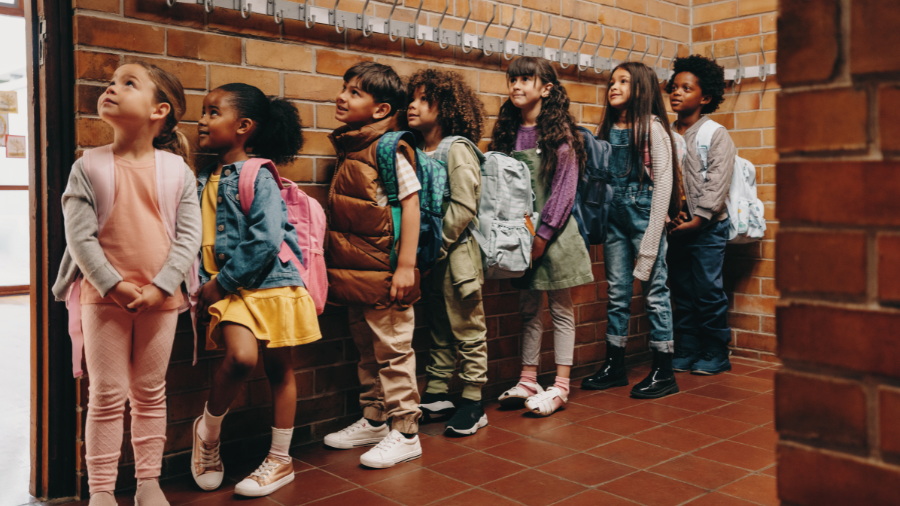
Waiting patiently can be difficult, but there are many ways we can teach children patience and how to take turns.
Why is waiting difficult for children?
Waiting is difficult for children, particularly because they are naturally driven to have their needs met immediately. The areas of the brain responsible for emotional regulation, impulse control, and flexible thinking are in the early stages of development when children are young.
The concept of time is also difficult for young children to understand, so waiting can truly feel like forever! By helping children learn patience and waiting, we are helping them learn the important life skills of delayed gratification, problem-solving, and self-control.
How can we teach children patience?
There are many ways we can teach children patience and how to wait for their turn. The following strategies can make waiting fun and educational!
Start with short waits
Use small, familiar opportunities to practice waiting, such as passing out snacks, taking turns while playing a game, or waiting to get the teacher’s attention in the middle of a lesson. Start with short waits, then increase wait times as the child’s capacity builds.
Make waiting visual
Young children are often still learning the abstract concept of time. To help make it more concrete, add visual tools!
Using visual tools like sand timers, countdown clocks, first/then boards, visual schedules, or a time countdown visual helps children to actually “see” the passage of time, which can help make waiting easier.
Instead of telling your students, “We will go outside in a few minutes,” you could say, “When the sand in this timer runs out, we will go outside to play.”
Make waiting fun!
Incorporate opportunities to practice patience and waiting through play. Try some fun games and activities to help children practice these skills in fun, low-stakes situations.
Activities such as waiting to pop bubbles, playing a freeze-dance game, playing “Simon Says”, or playing a turn-taking game with a friend are fun for little learners and naturally strengthen inhibitory control and build children’s ability to wait independently.
Developing patience and learning to wait are difficult but important skills we can teach children. When we make waiting predictable, supported, and achievable, we’re not just helping children get through the moment; we are helping build their capacity to manage emotions, cope with delays, and navigate frustration with confidence.