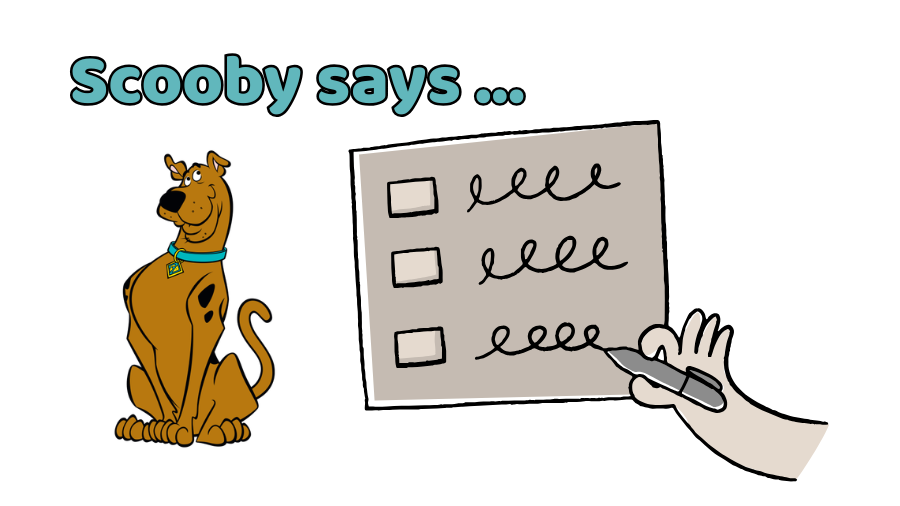
Help a student with autism increase their class participation by using a Power Card as an effective strategy to motivate students.
What is a Power Card Strategy?
A Power Card is a strategy developed by Elisa Gagnon (2001) that utilizes a child’s special interest, favorite character, or celebrity to help them understand expectations, clarify choices, teach consequences for behavior, or use more appropriate social responses.
Example:
A 2nd grade teacher has a student with autism in their classroom. Although the student is bright, they are often out of their seat and do not want to do their classwork. The teacher usually has to give the student a direction 3-4 times before they respond, and in many cases, the student still does their own thing! The student constantly draws Scooby Doo characters all over their books, desk, and papers and will get mad when they are corrected. What are some ideas for helping this student get their classwork done?
How to Motivate Students with a Power Card
Many students with Autism Spectrum Disorder have highly developed special interests, for example, Scooby Doo, SpongeBob SquarePants, or Neil Armstrong. The use of a Power Card is a motivating strategy that teachers and parents can use to help their child improve their behavior and/or respond more appropriately in social situations.
The strategy helps the student focus on the new rules or expectations because they are particularly interested in how their favorite character or characters might be doing the same. The technique consists of a short story to explain the expectations or social rules and a small card that summarizes how the person using the card can use the same strategy.
Quick Facts
- Child’s Age: 6-18+
- Planning Effort: Moderate
- Difficulty Level: Moderate
Power Card Requirements
Knowledge of your child’s / student’s special interest
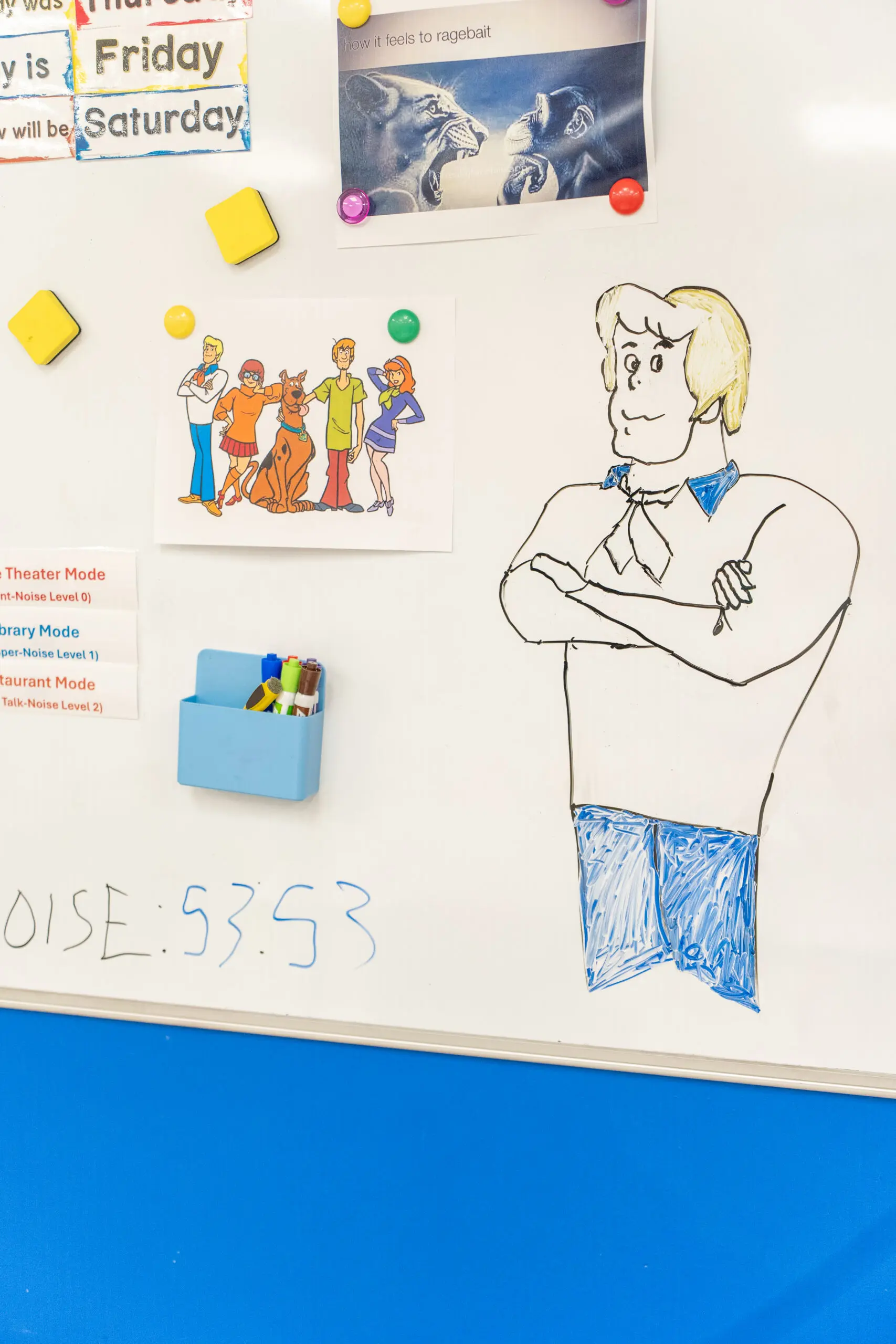
Steps for Using a Power Card Strategy:
- Identify the special interest of your student / child, for example: Scooby-Doo.
- Write a brief script about the situation being addressed which includes the child’s special interest. Use pictures along with text.
- Develop the “Power Card” by using an index card (or similarly sized paper) which includes a small picture of the special interest and the steps your student / child must take to improve their behavior, solve a problem or respond more appropriately. This small card is created from the script and can be carried by the student, posted in their locker or put on their desk.
- If your student / child is a non-reader or a struggling reader, increase the use of pictures to support the text. In some cases, you may only want to use the pictures.
- Teach the use of the strategy to your student / child. Readers can read the script themselves followed by additional teacher / parent explanation. For non-readers, the adult can read the script while prompting the child to attend to the pictures.
- Remember to reinforce the student / child for using the power card thereby demonstrating the targeted behavior.
Power Card Strategy Resources
amazon.com (website link to book)
This resource was authored by Watson Institute Special Education Consultant, Vanessa Thomas, M.Ed., BCBA, LBS.
If you have questions or concerns about the Watson Institute’s use of this information, please contact us.