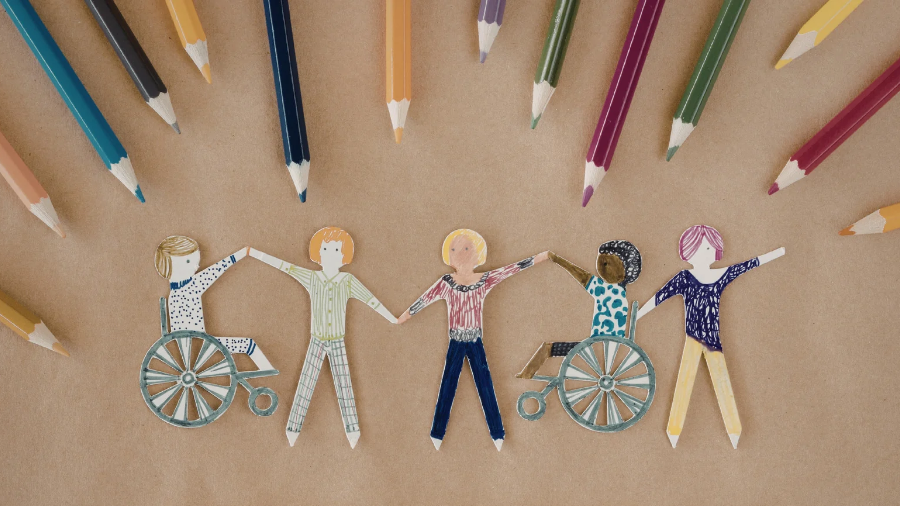
We can help lay the foundation for a strong sense of belonging in our communities by helping children understand that differences are a natural part of our world.
Every child is unique. Our classrooms are full of diversity in abilities, cultures, and experiences. Children are naturally curious and notice differences in appearance, language, interests, family structures, and ways of learning.
While adults sometimes feel unsure about how to respond to children’s observations, these moments provide valuable opportunities to teach empathy, acceptance, and respect!
Why is it important to recognize and respect differences?
When adults respond openly and positively to children’s curiosity, they learn that diversity is something to celebrate rather than avoid.
Recognizing and valuing differences supports positive relationships, reduces exclusion, and teaches children that everyone has something special to contribute.
Teaching children to notice and respect differences helps them to:
- develop empathy and understanding for others
- build positive relationships with peers from diverse backgrounds
- make caring choices that support fairness, kindness, and inclusion
- develop the ability to communicate and cooperate well with others
Through learning about the differences of others, children also learn that they are unique and special in their own ways!
Strategies to Promote Respect for Differences
There are several strategies we can use at home and in the classroom to teach children to respect differences amongst their peers.
1. Highlight diversity in stories, toys, and learning materials.
Use books, dolls, games, photos, puzzles, and learning materials that reflect different cultures, abilities, life experiences, and family structures for learning and for play.
2. Normalize conversations about differences and positively acknowledge curiosity.
When children notice differences, respond with warmth and matter-of-fact language. Encourage curiosity and questions and be a steward for open dialogue around what makes us all unique.
3. Use inclusive language and behavior.
Children learn from watching adults, so be sure to model kindness, curiosity, empathy, and respect when interacting with others and speaking about people who have different backgrounds.
Creating a welcoming, inclusive environment in which everyone feels welcomed and accepted models to your students that the things that make us all different are positive!
4. Create opportunities for sharing.
Invite families to share photos, traditions, words from native languages, favorite foods, and celebrations. These experiences help children learn about and appreciate what makes others unique.
5. Help children notice differences AND similarities.
Even though there are things that make everyone unique and special, there are also many things we all share in common, things as simple as favorite colors and songs, to the more universal need for love and friendship.
Helping children notice and respect differences shows them how the things that make everyone unique enrich our classrooms, families, and communities. By intentionally highlighting diversity, we help children develop empathy and respect, thereby strengthening common bonds.
These special education resources for accepting change were authored by Watson Institute’s special education consultant, Katie Bentz, M.Ed.
If you have any questions or concerns about the Watson Institute’s use of this information, please contact us.