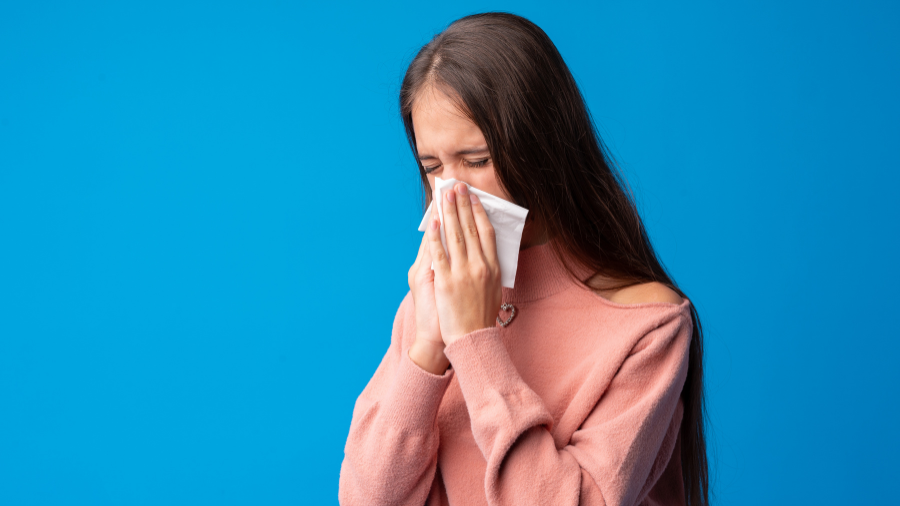
Take preventative action and try this behavior management strategy when dealing with a student who blows their nose without a tissue.
Example:
A Life Skills teacher has a 2nd grade student with autism who will often blow out “boogies” without getting a tissue. The student will do this several times a day, and it often soils the table or other classroom items. What are ways to curb this behavior? The student does have the ability to get a tissue and blow their nose, as they have been taught the behavior and they have demonstrated that they can do it with both a verbal or picture prompt on occasion.
What is the Cause & How to Prevent the Behavior?
This is an intervention for a maladaptive behavior.
The prevention process should include:
- data collection to assess probable function of the behavior
- assessment of skills and specific teaching of the replacement behavior
- strategies to prevent or minimize the maladaptive behavior from occurring
- clear consequences for both the appropriate and inappropriate behavior
Decreasing a behavior such as blowing the nose without a tissue can be accomplished by first assessing the function or reason for the behavior.
Determine if your student is seeking attention, trying to escape a task, or seeking relief from a stuffy nose and requires more instruction.
Use of prevention strategies per the function and use of visuals, social stories, and planned reinforcement for appropriate use of a tissue can be highly effective in decreasing this behavior.
Quick Facts
- Child’s Age: 3-10
- Planning Effort: Moderate
- Difficulty Level: Moderate
Requirements
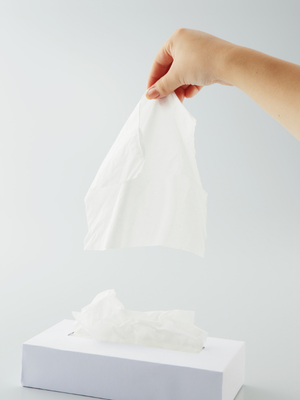
Child must be aware of when a tissue is needed, how to access a tissue, what to do when they get the tissue (blow nose), dispose of it properly, and wash/sanitize hands when necessary.
Steps to Prevent Nose Blowing Without a Tissue
- Collect data over several days to assess the function of the behavior.
- If the function appears to be related to task escape, determine the issue and intervene – such as difficulty with a subject area then adjust the material to assist in more successful results for the student.
- Implement a prevention strategy by reviewing a Social Story and/or a Consequence Strip daily.
- If your student does get a tissue on their own at some point during the day OR does so with minimal prompting, be sure to reinforce them immediately with a high-value reinforcer. (this will depend on the child, but some examples are: verbal praise with a high five, sticker, or a small treat like an M&M.)
- Several times a day, ask the student to blow their nose (prompt as needed using the least intrusive prompt). Reinforce the occurrence of the appropriate behavior immediately as listed in Step 4.
- When the student engages in inappropriate behavior, tell them to “go get a tissue”. Prompt and use a visual if needed. DO NOT REACT. USE A NEUTRAL TONE OF VOICE.
- Direct your student to correct the result of the inappropriate behavior: cleaning themself and/or the area or items soiled and practicing the behavior of using a tissue. Review the visual support (e.g., Social Story) related to the behavior.
- Complete this same routine for every occurrence of the inappropriate blowing of “boogies”.
- Praise use of the appropriate behavior and resume work or activity that they were engaged in before the inappropriate behavior
Nose Blowing Without a Tissue Resource
This resource was authored by Watson Institute Special Education Consultant, Katie Bentz, M.Ed.
If you have questions or concerns about the Watson Institute’s use of this information, please contact us.