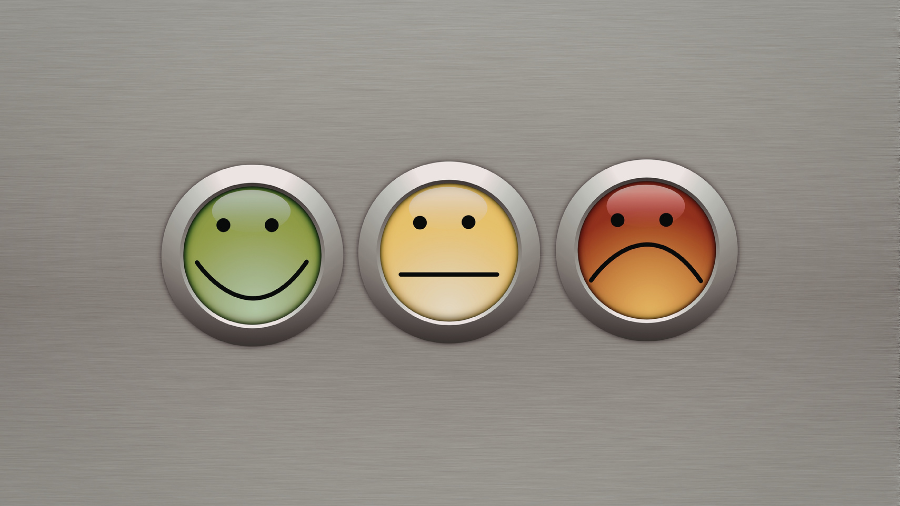
Helping children learn how to identify emotions both in themselves and in others is a very important first step in developing strong social emotional learning skills. Kids can have big feelings! When they’re young, they often don’t yet understand the “what” or the “why” behind those feelings.
Adults may believe that children understand their emotions and feelings, but while children understand feelings surprisingly early, the depth of that understanding comes in stages with their development. Adults can help them! Not only can children benefit from explicit instruction about feeling, but they can also learn from watching trusted adults name and cope with their own feelings. We can have a big impact on little learners!
Helping children develop strong social emotional learning skills at a young age enables them to build stronger problem-solving, empathy, and communication skills.
What activities help children express their feelings?
There are many activities that can help children learn to express their feelings!
In the classroom, make talking about feelings part of the routine. Start and end each day with a group feelings check-in.
- Begin the check-in by asking each child how they are feeling by giving a specific name to that feeling, i.e., “I am feeling happy today,” or “I am feeling sad.”
- Then, ask them what made them feel this way, i.e., “I am sad because school is over and I want to keep playing with my friends,” or “I am happy because we have a field trip today.”
It is important for children to not only learn the names of the feelings that they experience, but also why they experience them.
Talk about how different emotions can change the way our bodies feel inside. Being nervous can make our hearts beat faster, and our hands shake, while being frustrated or mad can make our cheeks and head feel hot.
Don’t forget to model these activities and skills throughout the day to show your students. Let them know when you are experiencing various emotions and show them how you handle your emotions in a healthy, constructive way. Children are always watching and learning from us.
What are calming strategies for kids?
As part of learning the “what” and “why” of emotions, we can take the next step to help children learn to recognize what they can do to help themselves manage big feelings using calming strategies.
Developing coping skills is critical to self-regulation. When we feel so excited we could burst, a big hug might help. When our hearts are beating fast because we feel mad, taking 5 deep breaths or getting a drink of water might help.
By talking about feelings and coming up with several coping strategies as a group, children not only become aware of what helps them individually, but what can help their peers, too! Doing this simultaneously builds self-awareness and empathy skills, all while helping children become better equipped to handle the range of human emotions in healthy ways.
Resource to Help Children Express Feelings
As we learned above, teaching children how to identify their feelings by name and giving them the tools to manage those feelings can help with self-regulation.
Visual tools and aids can be of further assistance as you’re teaching your students how to connect how they are feeling with the coping skills that will help them manage those emotions.
In this visual resource, which can be prominently displayed in your classroom or offered to each student individually as they are experiencing big emotions, ask them to identify how they are feeling by selecting the corresponding picture with the name of the emotion and placing it in the “I feel” box.
Then, ask them what can help them feel better in that moment? Do they need a hug, a sensory toy, a drink of water, to blow bubbles, to color, etc.? Ask them to select the matching visual for the item or action that will help them to feel better, and place that in the corresponding “What can help…” box.
This is an effective tool to have on-hand to help your students start to self-regulate when they are feeling strong emotions.
You can also keep a few copies of our memory-matching game in your classroom and in a calming corner or a portable calm-down kit to use when they are having difficulty expressing their feelings.
This social emotional learning resource to help children name and recognize feelings was authored by the Watson Institute’s special education consultant, Katie Bentz, M.Ed.
If you have questions or concerns about the Watson Institute’s use of this information, please contact us.